
logotype
  • Home
    • Main Home
    • Agriculture Corp.
    • Farming Services
    • Agriculture Drones
    • Organic Farm
    • Natural Food

    Main Home

    Agriculture Corp.

    Farming Services

    Agriculture Drones

    Organic Farm

    Natural Food

  • Pages
    • About Us
    • Services
    • Our Team
    • Single Team
    • Philosophy
    • FAQ
    • History
    • Mega Menu Page
    • Typography
    • Elements
    • Page 404
    • Coming Soon
  • Blog
    • Blog Listing
    • Blog Grid
      • 2 columns
      • 2 col + sidebar
      • 3 columns
      • 4 col wide
    • Blog Masonry
      • 2 columns
      • 2 col + sidebar
      • 3 columns
      • 4 col wide
    • Blog Singles
      • Standard
      • Video
      • Quote
      • Gallery
      • Link
      • Audio
    • Single Layouts
      • Overlay Image
      • Image First
      • Title First
  • Portfolio
    • Grid
      • 2 columns
      • 3 columns
      • 4 col wide
      • 5 col wide
    • Masonry
      • Grid 1
      • Grid 2
      • Grid 3
    • Gallery
    • Single
  • Shop
    • Products
    • Cart
    • Checkout
    • My account
    • Wishlist
    Shop
    • Products Grid
    • Single Product
    • Cart
    • Checkout
    • Wishlist
    • Login - Register
    • Help Center
  • Contacts
    Contacts
    We are Here:
    27 Division St, New York, NY 10002, USA
    Send Mail:
    verdaagro@mail.com
    Call Us:
    +1 800 432 45 34
    Instagram
    Twitter
    Facebook
    LinkedIn
    Get in Touch

    Your email address will not be published. Required fields are marked *

    Get in Touch
    logotype
    • Home
      • Main Home
      • Agriculture Corp.
      • Farming Services
      • Agriculture Drones
      • Organic Farm
      • Natural Food

      Main Home

      Agriculture Corp.

      Farming Services

      Agriculture Drones

      Organic Farm

      Natural Food

    • Pages
      • About Us
      • Services
      • Our Team
      • Single Team
      • Philosophy
      • FAQ
      • History
      • Mega Menu Page
      • Typography
      • Elements
      • Page 404
      • Coming Soon
    • Blog
      • Blog Listing
      • Blog Grid
        • 2 columns
        • 2 col + sidebar
        • 3 columns
        • 4 col wide
      • Blog Masonry
        • 2 columns
        • 2 col + sidebar
        • 3 columns
        • 4 col wide
      • Blog Singles
        • Standard
        • Video
        • Quote
        • Gallery
        • Link
        • Audio
      • Single Layouts
        • Overlay Image
        • Image First
        • Title First
    • Portfolio
      • Grid
        • 2 columns
        • 3 columns
        • 4 col wide
        • 5 col wide
      • Masonry
        • Grid 1
        • Grid 2
        • Grid 3
      • Gallery
      • Single
    • Shop
      • Products
      • Cart
      • Checkout
      • My account
      • Wishlist
      Shop
      • Products Grid
      • Single Product
      • Cart
      • Checkout
      • Wishlist
      • Login - Register
      • Help Center
    • Contacts
      Contacts
      We are Here:
      27 Division St, New York, NY 10002, USA
      Send Mail:
      verdaagro@mail.com
      Call Us:
      +1 800 432 45 34
      Instagram
      Twitter
      Facebook
      LinkedIn
      Get in Touch

      Your email address will not be published. Required fields are marked *

      Eldon

      Eldon

      • Home
        • Main Home
        • Agriculture Corp.
        • Farming Services
        • Agriculture Drones
        • Organic Farm
        • Natural Food

        Main Home

        Agriculture Corp.

        Farming Services

        Agriculture Drones

        Organic Farm

        Natural Food

      • Pages
        • About Us
        • Services
        • Our Team
        • Single Team
        • Philosophy
        • FAQ
        • History
        • Mega Menu Page
        • Typography
        • Elements
        • Page 404
        • Coming Soon
      • Blog
        • Blog Listing
        • Blog Grid
          • 2 columns
          • 2 col + sidebar
          • 3 columns
          • 4 col wide
        • Blog Masonry
          • 2 columns
          • 2 col + sidebar
          • 3 columns
          • 4 col wide
        • Blog Singles
          • Standard
          • Video
          • Quote
          • Gallery
          • Link
          • Audio
        • Single Layouts
          • Overlay Image
          • Image First
          • Title First
      • Portfolio
        • Grid
          • 2 columns
          • 3 columns
          • 4 col wide
          • 5 col wide
        • Masonry
          • Grid 1
          • Grid 2
          • Grid 3
        • Gallery
        • Single
      • Shop
        • Products
        • Cart
        • Checkout
        • My account
        • Wishlist
        Shop
        • Products Grid
        • Single Product
        • Cart
        • Checkout
        • Wishlist
        • Login - Register
        • Help Center
      • Contacts
        Contacts
        We are Here:
        27 Division St, New York, NY 10002, USA
        Send Mail:
        verdaagro@mail.com
        Call Us:
        +1 800 432 45 34
        Instagram
        Twitter
        Facebook
        LinkedIn
        Get in Touch

        Your email address will not be published. Required fields are marked *

        News
        HomeNewsPage 3

        Category: News

        blog-post9
        News
        August 18, 2025by Eldon

        Best Seeds for Tough Soils

        Soil is the foundation of every farm. It’s not just dirt — it’s a living system that supports crops, stores water, and provides essential nutrients to plants. For farmers, taking care of the soil isn’t just good practice — it’s the key to long-term success and sustainability. Healthy soil leads to stronger plants, higher yields, and better resistance to drought, pests, and diseases. When soil is in poor condition, even the best seeds and fertilizers may not produce the results you expect. That’s why understanding soil health is one of the most valuable skills any farmer can have. One of the most important signs of good soil is the presence of life — worms, microbes, and insects all play a role in keeping the soil fertile. These tiny organisms help break down organic matter and make nutrients available to crops. Soil that is dark, rich, and loose is usually full of life and ready to grow.

        How to Keep Your Soil Fertile

        Farmers can improve soil health over time by feeding the soil with natural materials like compost or manure, giving it time to rest between crops, and avoiding practices that damage its structure. Chemicals should be used wisely, as too much can harm the natural balance of life in the soil. Tilling should also be limited where possible, since it can break down the soil’s natural structure and increase the risk of erosion.
        Why Is Soil Health Important?

        Good soil doesn’t happen by accident — it’s built through years of thoughtful care. By paying attention to what the soil needs and supporting its natural processes, farmers can keep their land productive and profitable for generations. Taking care of your soil is one of the smartest investments you can make. When the soil is healthy, everything else on the farm works better too.

        • Use compost, manure, or green plant waste to feed the soil and make it soft and rich.
        • Change what you plant in each area every season. Different crops use different nutrients.
        • Grow plants like clover or mustard after harvest to protect and feed the soil.
        • Too much digging breaks the soil structure and harms good microbes. Try low or no-till methods.

        Signs of Healthy Soil

        Soil is not just the ground we walk on — it’s a living, dynamic part of every farm. For farmers, soil is the first and most important tool they have. Healthy soil can mean the difference between a strong harvest and a poor one. It affects plant growth, water use, disease resistance, and even farm costs. That’s why every farmer, whether growing on one acre or one hundred, should understand how soil health works and how to maintain it for the long term.

        Good soil is full of life. Beneath the surface, it contains millions of tiny organisms — bacteria, fungi, worms, and insects — all working together to feed plants and maintain balance. These organisms break down organic matter like plant residues or manure, turning them into nutrients that crops can use. When this cycle is active and well-supported, your soil becomes more fertile, holds water better, and stays loose and breathable for roots to grow.
        Read More
        blog-post11
        News
        August 18, 2025by Eldon

        Better Harvests, Less Stress

        Soil is the foundation of every farm. It’s not just dirt — it’s a living system that supports crops, stores water, and provides essential nutrients to plants. For farmers, taking care of the soil isn’t just good practice — it’s the key to long-term success and sustainability. Healthy soil leads to stronger plants, higher yields, and better resistance to drought, pests, and diseases. When soil is in poor condition, even the best seeds and fertilizers may not produce the results you expect. That’s why understanding soil health is one of the most valuable skills any farmer can have. One of the most important signs of good soil is the presence of life — worms, microbes, and insects all play a role in keeping the soil fertile. These tiny organisms help break down organic matter and make nutrients available to crops. Soil that is dark, rich, and loose is usually full of life and ready to grow.

        How to Keep Your Soil Fertile

        Farmers can improve soil health over time by feeding the soil with natural materials like compost or manure, giving it time to rest between crops, and avoiding practices that damage its structure. Chemicals should be used wisely, as too much can harm the natural balance of life in the soil. Tilling should also be limited where possible, since it can break down the soil’s natural structure and increase the risk of erosion.

        Why Is Soil Health Important?

        Good soil doesn’t happen by accident — it’s built through years of thoughtful care. By paying attention to what the soil needs and supporting its natural processes, farmers can keep their land productive and profitable for generations. Taking care of your soil is one of the smartest investments you can make. When the soil is healthy, everything else on the farm works better too.

        • Use compost, manure, or green plant waste to feed the soil and make it soft and rich.
        • Change what you plant in each area every season. Different crops use different nutrients.
        • Grow plants like clover or mustard after harvest to protect and feed the soil.
        • Too much digging breaks the soil structure and harms good microbes. Try low or no-till methods.

        Signs of Healthy Soil

        Soil is not just the ground we walk on — it’s a living, dynamic part of every farm. For farmers, soil is the first and most important tool they have. Healthy soil can mean the difference between a strong harvest and a poor one. It affects plant growth, water use, disease resistance, and even farm costs. That’s why every farmer, whether growing on one acre or one hundred, should understand how soil health works and how to maintain it for the long term.

        Good soil is full of life. Beneath the surface, it contains millions of tiny organisms — bacteria, fungi, worms, and insects — all working together to feed plants and maintain balance. These organisms break down organic matter like plant residues or manure, turning them into nutrients that crops can use. When this cycle is active and well-supported, your soil becomes more fertile, holds water better, and stays loose and breathable for roots to grow.

        Read More
        News
        August 18, 2025by Eldon

        How Drones Are Changing Farming

        Soil is the foundation of every farm. It’s not just dirt — it’s a living system that supports crops, stores water, and provides essential nutrients to plants. For farmers, taking care of the soil isn’t just good practice — it’s the key to long-term success and sustainability. Healthy soil leads to stronger plants, higher yields, and better resistance to drought, pests, and diseases. When soil is in poor condition, even the best seeds and fertilizers may not produce the results you expect. That’s why understanding soil health is one of the most valuable skills any farmer can have. One of the most important signs of good soil is the presence of life — worms, microbes, and insects all play a role in keeping the soil fertile. These tiny organisms help break down organic matter and make nutrients available to crops. Soil that is dark, rich, and loose is usually full of life and ready to grow.

        How to Keep Your Soil Fertile

        Farmers can improve soil health over time by feeding the soil with natural materials like compost or manure, giving it time to rest between crops, and avoiding practices that damage its structure. Chemicals should be used wisely, as too much can harm the natural balance of life in the soil. Tilling should also be limited where possible, since it can break down the soil’s natural structure and increase the risk of erosion.

        Why Is Soil Health Important?

        Good soil doesn’t happen by accident — it’s built through years of thoughtful care. By paying attention to what the soil needs and supporting its natural processes, farmers can keep their land productive and profitable for generations. Taking care of your soil is one of the smartest investments you can make. When the soil is healthy, everything else on the farm works better too.

        • Use compost, manure, or green plant waste to feed the soil and make it soft and rich.
        • Change what you plant in each area every season. Different crops use different nutrients.
        • Grow plants like clover or mustard after harvest to protect and feed the soil.
        • Too much digging breaks the soil structure and harms good microbes. Try low or no-till methods.

        Signs of Healthy Soil

        Soil is not just the ground we walk on — it’s a living, dynamic part of every farm. For farmers, soil is the first and most important tool they have. Healthy soil can mean the difference between a strong harvest and a poor one. It affects plant growth, water use, disease resistance, and even farm costs. That’s why every farmer, whether growing on one acre or one hundred, should understand how soil health works and how to maintain it for the long term.

        Good soil is full of life. Beneath the surface, it contains millions of tiny organisms — bacteria, fungi, worms, and insects — all working together to feed plants and maintain balance. These organisms break down organic matter like plant residues or manure, turning them into nutrients that crops can use. When this cycle is active and well-supported, your soil becomes more fertile, holds water better, and stays loose and breathable for roots to grow.
        Read More

        Understanding Crop Rotation: Simple Strategies That Protect Soil and Boost Harvests

        News
        August 18, 2025by Eldon

        Choosing the Right Seeds for Your Climate

        Soil is the foundation of every farm. It’s not just dirt — it’s a living system that supports crops, stores water, and provides essential nutrients to plants. For farmers, taking care of the soil isn’t just good practice — it’s the key to long-term success and sustainability. Healthy soil leads to stronger plants, higher yields, and better resistance to drought, pests, and diseases. When soil is in poor condition, even the best seeds and fertilizers may not produce the results you expect. That’s why understanding soil health is one of the most valuable skills any farmer can have. One of the most important signs of good soil is the presence of life — worms, microbes, and insects all play a role in keeping the soil fertile. These tiny organisms help break down organic matter and make nutrients available to crops. Soil that is dark, rich, and loose is usually full of life and ready to grow.

        How to Keep Your Soil Fertile

        Farmers can improve soil health over time by feeding the soil with natural materials like compost or manure, giving it time to rest between crops, and avoiding practices that damage its structure. Chemicals should be used wisely, as too much can harm the natural balance of life in the soil. Tilling should also be limited where possible, since it can break down the soil’s natural structure and increase the risk of erosion.

        Why Is Soil Health Important?

        Good soil doesn’t happen by accident — it’s built through years of thoughtful care. By paying attention to what the soil needs and supporting its natural processes, farmers can keep their land productive and profitable for generations. Taking care of your soil is one of the smartest investments you can make. When the soil is healthy, everything else on the farm works better too.

        • Use compost, manure, or green plant waste to feed the soil and make it soft and rich.
        • Change what you plant in each area every season. Different crops use different nutrients.
        • Grow plants like clover or mustard after harvest to protect and feed the soil.
        • Too much digging breaks the soil structure and harms good microbes. Try low or no-till methods.

        Signs of Healthy Soil

        Soil is not just the ground we walk on — it’s a living, dynamic part of every farm. For farmers, soil is the first and most important tool they have. Healthy soil can mean the difference between a strong harvest and a poor one. It affects plant growth, water use, disease resistance, and even farm costs. That’s why every farmer, whether growing on one acre or one hundred, should understand how soil health works and how to maintain it for the long term.

        Good soil is full of life. Beneath the surface, it contains millions of tiny organisms — bacteria, fungi, worms, and insects — all working together to feed plants and maintain balance. These organisms break down organic matter like plant residues or manure, turning them into nutrients that crops can use. When this cycle is active and well-supported, your soil becomes more fertile, holds water better, and stays loose and breathable for roots to grow.

        Read More
        News
        August 18, 2025by Eldon

        Latest Updates in Global Agriculture

        Soil is the foundation of every farm. It’s not just dirt — it’s a living system that supports crops, stores water, and provides essential nutrients to plants. For farmers, taking care of the soil isn’t just good practice — it’s the key to long-term success and sustainability. Healthy soil leads to stronger plants, higher yields, and better resistance to drought, pests, and diseases. When soil is in poor condition, even the best seeds and fertilizers may not produce the results you expect. That’s why understanding soil health is one of the most valuable skills any farmer can have. One of the most important signs of good soil is the presence of life — worms, microbes, and insects all play a role in keeping the soil fertile. These tiny organisms help break down organic matter and make nutrients available to crops. Soil that is dark, rich, and loose is usually full of life and ready to grow.

        How to Keep Your Soil Fertile

        Farmers can improve soil health over time by feeding the soil with natural materials like compost or manure, giving it time to rest between crops, and avoiding practices that damage its structure. Chemicals should be used wisely, as too much can harm the natural balance of life in the soil. Tilling should also be limited where possible, since it can break down the soil’s natural structure and increase the risk of erosion.

        Why Is Soil Health Important?

        Good soil doesn’t happen by accident — it’s built through years of thoughtful care. By paying attention to what the soil needs and supporting its natural processes, farmers can keep their land productive and profitable for generations. Taking care of your soil is one of the smartest investments you can make. When the soil is healthy, everything else on the farm works better too.

        • Use compost, manure, or green plant waste to feed the soil and make it soft and rich.
        • Change what you plant in each area every season. Different crops use different nutrients.
        • Grow plants like clover or mustard after harvest to protect and feed the soil.
        • Too much digging breaks the soil structure and harms good microbes. Try low or no-till methods.

        Signs of Healthy Soil

        Soil is not just the ground we walk on — it’s a living, dynamic part of every farm. For farmers, soil is the first and most important tool they have. Healthy soil can mean the difference between a strong harvest and a poor one. It affects plant growth, water use, disease resistance, and even farm costs. That’s why every farmer, whether growing on one acre or one hundred, should understand how soil health works and how to maintain it for the long term.

        Good soil is full of life. Beneath the surface, it contains millions of tiny organisms — bacteria, fungi, worms, and insects — all working together to feed plants and maintain balance. These organisms break down organic matter like plant residues or manure, turning them into nutrients that crops can use. When this cycle is active and well-supported, your soil becomes more fertile, holds water better, and stays loose and breathable for roots to grow.
        Read More
        News
        August 18, 2025by Eldon

        Tech Trends in Farming 2025

        Soil is the foundation of every farm. It’s not just dirt — it’s a living system that supports crops, stores water, and provides essential nutrients to plants. For farmers, taking care of the soil isn’t just good practice — it’s the key to long-term success and sustainability. Healthy soil leads to stronger plants, higher yields, and better resistance to drought, pests, and diseases. When soil is in poor condition, even the best seeds and fertilizers may not produce the results you expect. That’s why understanding soil health is one of the most valuable skills any farmer can have. One of the most important signs of good soil is the presence of life — worms, microbes, and insects all play a role in keeping the soil fertile. These tiny organisms help break down organic matter and make nutrients available to crops. Soil that is dark, rich, and loose is usually full of life and ready to grow.

        How to Keep Your Soil Fertile

        Farmers can improve soil health over time by feeding the soil with natural materials like compost or manure, giving it time to rest between crops, and avoiding practices that damage its structure. Chemicals should be used wisely, as too much can harm the natural balance of life in the soil. Tilling should also be limited where possible, since it can break down the soil’s natural structure and increase the risk of erosion.

        Why Is Soil Health Important?

        Good soil doesn’t happen by accident — it’s built through years of thoughtful care. By paying attention to what the soil needs and supporting its natural processes, farmers can keep their land productive and profitable for generations. Taking care of your soil is one of the smartest investments you can make. When the soil is healthy, everything else on the farm works better too.

        • Use compost, manure, or green plant waste to feed the soil and make it soft and rich.
        • Change what you plant in each area every season. Different crops use different nutrients.
        • Grow plants like clover or mustard after harvest to protect and feed the soil.
        • Too much digging breaks the soil structure and harms good microbes. Try low or no-till methods.

        Signs of Healthy Soil

        Soil is not just the ground we walk on — it’s a living, dynamic part of every farm. For farmers, soil is the first and most important tool they have. Healthy soil can mean the difference between a strong harvest and a poor one. It affects plant growth, water use, disease resistance, and even farm costs. That’s why every farmer, whether growing on one acre or one hundred, should understand how soil health works and how to maintain it for the long term.

        Good soil is full of life. Beneath the surface, it contains millions of tiny organisms — bacteria, fungi, worms, and insects — all working together to feed plants and maintain balance. These organisms break down organic matter like plant residues or manure, turning them into nutrients that crops can use. When this cycle is active and well-supported, your soil becomes more fertile, holds water better, and stays loose and breathable for roots to grow.

        Read More
        News
        August 18, 2025by Eldon

        Green Farming Practices That Work

        Soil is the foundation of every farm. It’s not just dirt — it’s a living system that supports crops, stores water, and provides essential nutrients to plants. For farmers, taking care of the soil isn’t just good practice — it’s the key to long-term success and sustainability. Healthy soil leads to stronger plants, higher yields, and better resistance to drought, pests, and diseases. When soil is in poor condition, even the best seeds and fertilizers may not produce the results you expect. That’s why understanding soil health is one of the most valuable skills any farmer can have. One of the most important signs of good soil is the presence of life — worms, microbes, and insects all play a role in keeping the soil fertile. These tiny organisms help break down organic matter and make nutrients available to crops. Soil that is dark, rich, and loose is usually full of life and ready to grow.

        How to Keep Your Soil Fertile

        Farmers can improve soil health over time by feeding the soil with natural materials like compost or manure, giving it time to rest between crops, and avoiding practices that damage its structure. Chemicals should be used wisely, as too much can harm the natural balance of life in the soil. Tilling should also be limited where possible, since it can break down the soil’s natural structure and increase the risk of erosion.

        Why Is Soil Health Important?

        Good soil doesn’t happen by accident — it’s built through years of thoughtful care. By paying attention to what the soil needs and supporting its natural processes, farmers can keep their land productive and profitable for generations. Taking care of your soil is one of the smartest investments you can make. When the soil is healthy, everything else on the farm works better too.

        • Use compost, manure, or green plant waste to feed the soil and make it soft and rich.
        • Change what you plant in each area every season. Different crops use different nutrients.
        • Grow plants like clover or mustard after harvest to protect and feed the soil.
        • Too much digging breaks the soil structure and harms good microbes. Try low or no-till methods.

        Signs of Healthy Soil

        Soil is not just the ground we walk on — it’s a living, dynamic part of every farm. For farmers, soil is the first and most important tool they have. Healthy soil can mean the difference between a strong harvest and a poor one. It affects plant growth, water use, disease resistance, and even farm costs. That’s why every farmer, whether growing on one acre or one hundred, should understand how soil health works and how to maintain it for the long term.

        Good soil is full of life. Beneath the surface, it contains millions of tiny organisms — bacteria, fungi, worms, and insects — all working together to feed plants and maintain balance. These organisms break down organic matter like plant residues or manure, turning them into nutrients that crops can use. When this cycle is active and well-supported, your soil becomes more fertile, holds water better, and stays loose and breathable for roots to grow.

        Read More
        blog-post0
        News
        August 14, 2025by Eldon

        Latest Updates in Global Agriculture

        Soil is the foundation of every farm. It’s not just dirt — it’s a living system that supports crops, stores water, and provides essential nutrients to plants. For farmers, taking care of the soil isn’t just good practice — it’s the key to long-term success and sustainability. Healthy soil leads to stronger plants, higher yields, and better resistance to drought, pests, and diseases. When soil is in poor condition, even the best seeds and fertilizers may not produce the results you expect. That’s why understanding soil health is one of the most valuable skills any farmer can have. One of the most important signs of good soil is the presence of life — worms, microbes, and insects all play a role in keeping the soil fertile. These tiny organisms help break down organic matter and make nutrients available to crops. Soil that is dark, rich, and loose is usually full of life and ready to grow.

        How to Keep Your Soil Fertile

        Farmers can improve soil health over time by feeding the soil with natural materials like compost or manure, giving it time to rest between crops, and avoiding practices that damage its structure. Chemicals should be used wisely, as too much can harm the natural balance of life in the soil. Tilling should also be limited where possible, since it can break down the soil’s natural structure and increase the risk of erosion.

        Why Is Soil Health Important?

        Good soil doesn’t happen by accident — it’s built through years of thoughtful care. By paying attention to what the soil needs and supporting its natural processes, farmers can keep their land productive and profitable for generations. Taking care of your soil is one of the smartest investments you can make. When the soil is healthy, everything else on the farm works better too.

        • Use compost, manure, or green plant waste to feed the soil and make it soft and rich.
        • Change what you plant in each area every season. Different crops use different nutrients.
        • Grow plants like clover or mustard after harvest to protect and feed the soil.
        • Too much digging breaks the soil structure and harms good microbes. Try low or no-till methods.

        Signs of Healthy Soil

        Soil is not just the ground we walk on — it’s a living, dynamic part of every farm. For farmers, soil is the first and most important tool they have. Healthy soil can mean the difference between a strong harvest and a poor one. It affects plant growth, water use, disease resistance, and even farm costs. That’s why every farmer, whether growing on one acre or one hundred, should understand how soil health works and how to maintain it for the long term.

        Good soil is full of life. Beneath the surface, it contains millions of tiny organisms — bacteria, fungi, worms, and insects — all working together to feed plants and maintain balance. These organisms break down organic matter like plant residues or manure, turning them into nutrients that crops can use. When this cycle is active and well-supported, your soil becomes more fertile, holds water better, and stays loose and breathable for roots to grow.

        Read More
        elderly-2914879_1280
        News
        August 5, 2025by Eldon

        State Pension Age Review

        The Pensions Act 2014 requires the government to conduct a periodic review of the State Pension age (SPA). The first review concluded in 2017, and the second review concluded in 2023. The government has announced the launch of the third review of State Pension age in July 2025, which is set to conclude in 2029. This review will consider whether the rules around pensionable age are appropriate, based on the latest life expectancy data and other evidence.  

        As a reminder, the current timetable for the SPA, is shown below:

        • SPA will increase from 66 to 67 – between April 2026 and April 2028
        • SPA will increase from 67 to 68 – between April 2044 and April 2046

        The announcement comes following warnings from experts that people looking to retire in 2050 are on course to receive £800 per year less than current pensioners. This is due to the fact that 45% of working-age adults are not contributing into their pensions, with concerns that the cost of living crisis is preventing people from investing in their retirement.

        The government have confirmed that there will be no further increases to National Insurance contributions under this parliament, both employee and employer, to help fund the issue. They have also confirmed that the pensions triple lock, the guarantee that the state pension rises in line with average earnings, inflation or 2.5% – whichever is highest – would not be reconsidered as part of this review.

        Any recommendations from the review will take time to implement and the government remains committed to the principle of providing 10 years’ notice of changes to the SPA.

        Read More
        NF Careers
        News
        July 28, 2025by Eldon

        Supporting Future Careers

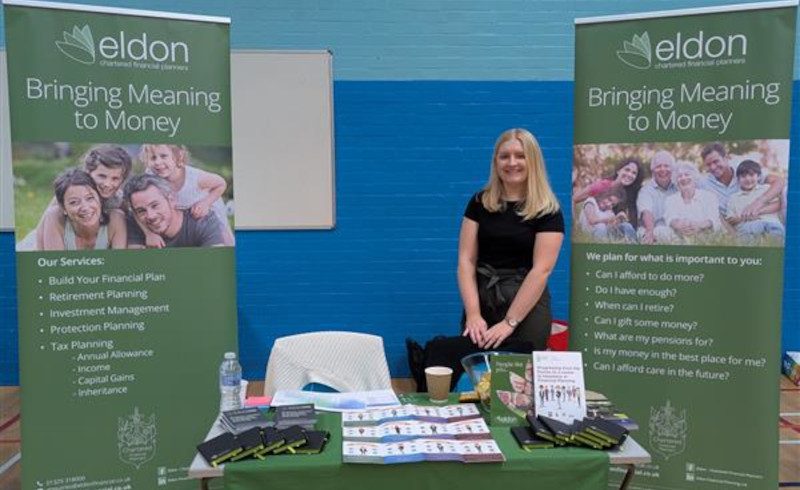
        Beth and Natasha recently had the pleasure of attending the Careers Fair at Park View Academy in Chester-le-Street. The event was a great opportunity to engage with students, share insights into the financial planning profession, and highlight the rewarding career paths available within the sector.

        Throughout the event, students were able to ask questions, explore different industries, and gain practical advice directly from professionals, helping them make more informed decisions about their future careers.

        Eldon is proud to support events that promote career awareness. We aim to encourage young people to consider a future in financial planning whilst continuing to support financial education within local communities.

        Read More
        • 1
        • 2
        • 3
        • 4
        • 5
        • …
        • 17

        Copyright © 2025 Verdaagro by WebGeniusLab. All Rights Reserved